Keynotes

Invited talks at ISSEP 2026

Keynote Speakers

Keynote speakers, presentation titles, abstracts, photos, and media links will be added as they are confirmed.

Photo

Keynote Speaker

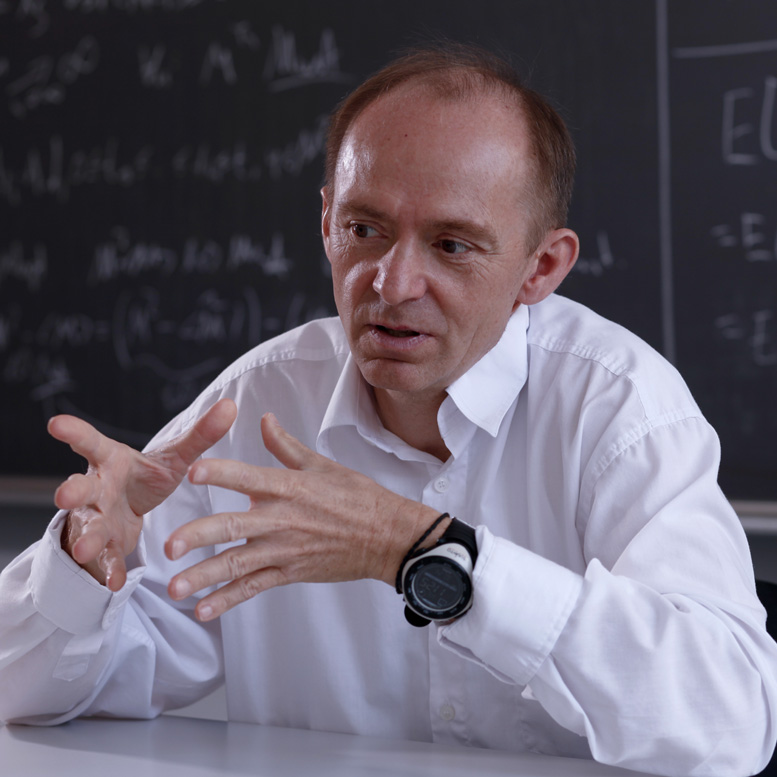
Juraj Hromkovic & Regula Lacher

ETH Zürich

Teaching to Think in Informatics Lessons by Genetic Socratic Method Illustrated by Discovering Hamming Codes

Albert Einstein stated that the only true reason to go to school is to learn to think. Each subject should primarily contribute to this highest goal. Educators in informatics introduced the terms "algorithmic thinking" and "computational thinking" to express the specific contributions of informatics education to learn to think and so to argue why computer science is an unavoidable, integral part of education in general. In this invited talk, we focus on the general contribution of informatics lessons to thinking in the sense formulated by Descartes, Immanuel Kant, or in the concept of critical thinking. We present our teaching approach we call "genetic Socratic method" that deepens and refines the genetic method of Klein, Toeplitz, Kowalewski and Wagenschein. The idea is to not focus on teaching the products of science and technology (facts, models, methods, equipment, machines, etc.) and how to use them, but to empower pupils to invent, discover, and develop these products of scientific and engineering work. Using the genetic Socratic method means strengthening the role of teachers in the education process by developing teaching sequences that split the way to products of science and technology in a sequence of such "simple" challenges that the pupils can master them to high extent on their own. We illustrate this approach by showing the implementation of our method for supporting classes in the discovery of the famous self-correcting Hamming codes

Photo

Keynote Speaker

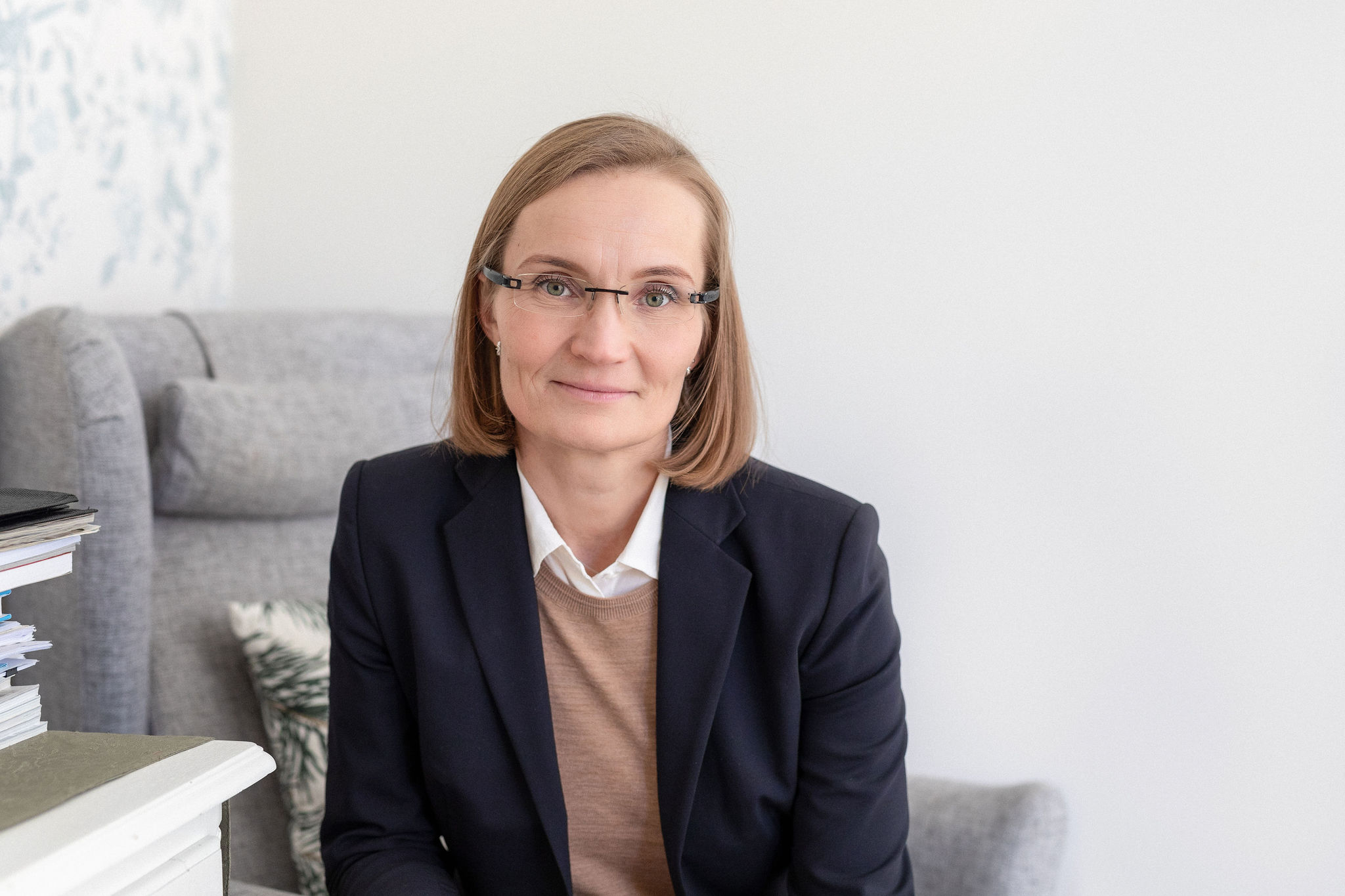
Maria Kütt

Maria Kütt combines two perspectives that rarely meet in one career: senior-level human resource management practice and academic research in strategic human resource management. She is Chief Human Resources Officer at Threod, a leading Estonian defence technology company, a PhD researcher in Business Administration at TalTech, a long-term lecturer in Human Resource Management at Tallinn University, and a board member of the Estonian HR Association PARE. Her work connects research on sustainable human performance work systems, organisational capabilities and learning with the practical questions organisations face when building the workforce and leadership capabilities they will need in the future.

What If We Are Preparing Students for Jobs That Won’t Exist? Rethinking Human Capability in the Age of AI

We are designing curricula today for students who will enter organisations we cannot yet imagine, using technologies that will make some of today’s most valued skills obsolete. Drawing on both research in strategic human resource management and more than two decades of senior HR practice, this keynote asks a deceptively simple question: what should schools develop in young people when employers themselves cannot confidently predict the jobs they will need? Evidence from research and organisational practice suggests that the answer lies less in identifying the next list of “future skills” and more in understanding the human capabilities that allow people to adapt, exercise judgement, learn, collaborate and create value alongside rapidly evolving technologies. I will connect insights from research on human resource systems, organisational capabilities and learning with the realities employers face when hiring, developing and retaining people in technology-intensive environments. The challenge for informatics education, then, is not merely to prepare students for the labour market of the future, but to help create people who will be capable of shaping that labour market themselves.

Photo

Keynote Speaker

Speaker name to be announced

Affiliation and country to be confirmed

Keynote title to be announced

A short abstract and speaker biography will be published here once the keynote is confirmed.

Presentation Details

Dates, rooms, recordings, slides, and related resources will be listed here after the detailed program is finalized.